Children in city runs are not an obstacle. They are part of the rhythm. Preparing for the Community Rainbow Run as a family involves more than pace adjustments. It requires another logic entirely: expectations must stretch, timelines expand, and goals shift — not from winning to finishing, but from finishing to remembering. This guide focuses on shaping that experience for both adults and their younger companions.
Physical and Emotional Readiness of Children for Large-Scale Runs
No child wakes up eager to jog four kilometers. Not without context. Mid-morning at Wadeview Park, there’s a moment, just before the warm-up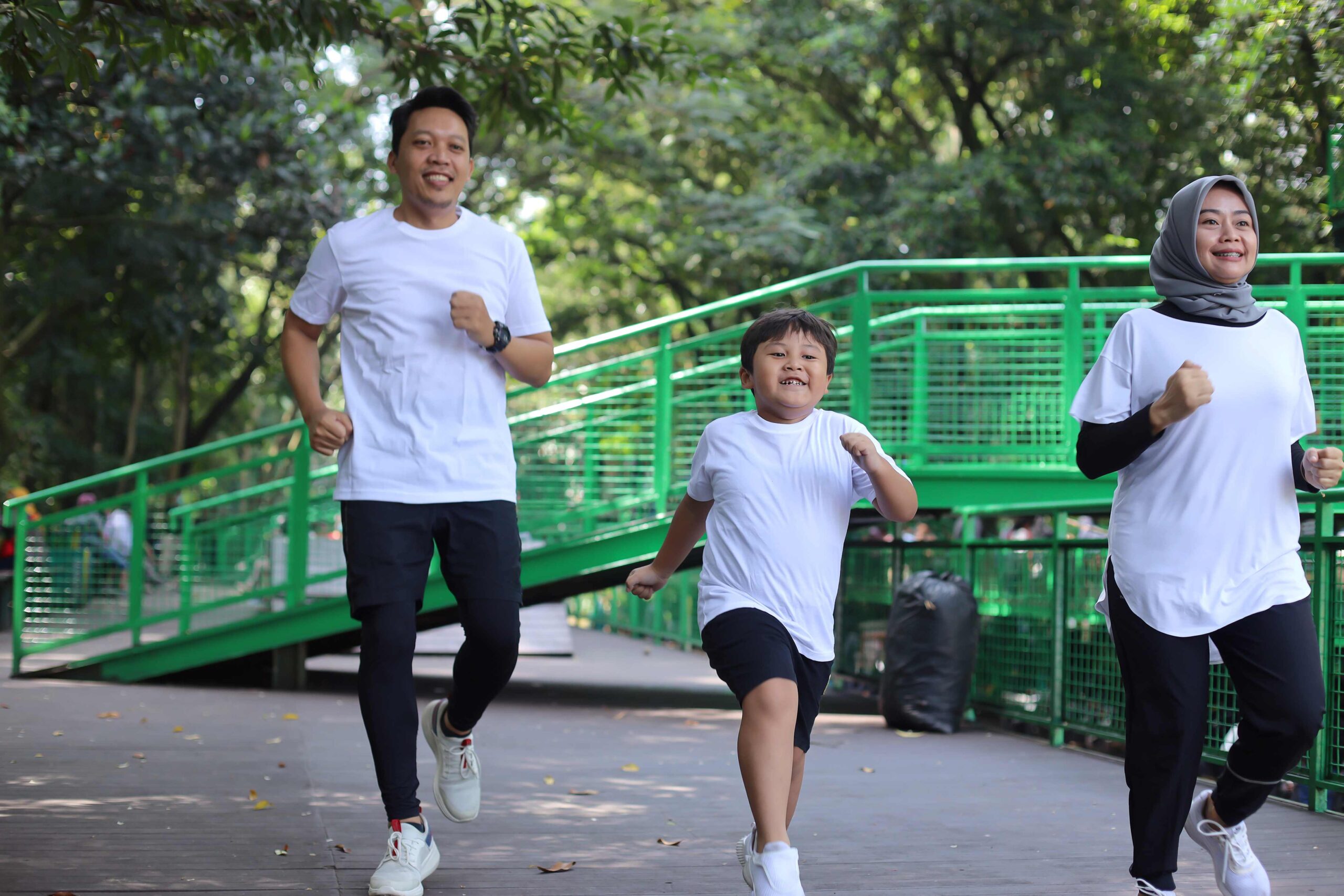 starts, when children begin mimicking stretches without being asked. The transformation isn’t instant. It’s patterned.
Preparation begins at least a week in advance. For younger participants, daily walks help familiarize them with the idea of movement as a shared activity. Emotional readiness, however, evolves less predictably. The child who runs across the backyard may freeze when placed among hundreds.
To ease the shift, parents often create small rituals. Matching t-shirts. Assigning a “family cheer” moment near the halfway mark. Others designate children as “route captains,” responsible for spotting directional signs. These techniques provide familiarity without formality.
One should also consider fluctuations. A six-year-old may insist on running alone until they reach the third kilometer, then fold completely. Build in pauses. Not as failure, but as part of the plan.
Equipment: Strollers, Clothing, Weather Considerations
The stroller debate returns each year. While the Community Rainbow Run permits jogger strollers, not every model fares equally. Rubber tires work better than plastic. Shade is crucial — not just for sun, but for overstimulation. Even the most active toddler may want enclosure after ten minutes of crowd noise.
Orlando in June isn’t subtle. By 9 a.m., surfaces warm rapidly. That shift makes fabric choice critical. Lightweight, breathable material with sun protection ranks higher than branded athletic wear. Shoes, the less discussed gear — matter most. A child’s regular play sneakers will suffice, but must be tested. The difference between blister and ease is often one unnoticed seam.
Families often carry one additional layer per child, sealed in a zip bag. Not for warmth, but for change. There’s spilled juice. Unexpected sprints. Dew from the early setup hours. Things parents anticipate before they’re noticed.
Suggested Family Kit:
- Jogger stroller with shade and secure straps
- Two water bottles (child-sized, adult)
- Lightweight towels or cooling cloths
- Change of clothes for children
- Sunscreen and child-safe insect repellent
- Identification bracelets with contact number
Rest Areas and Play Zones
Children who participate don’t always finish. That’s not a problem — it’s a possibility. Event organizers, aware of this rhythm, include designated rest zones. Some are visible: benches with misting fans. Others blend in, such as shaded grass areas flanked by volunteers.
Observation reveals more: children cluster around chalk drawing stations or bubble machines. These aren’t always marked as “play zones,” yet they become gathering points. Volunteers occasionally adapt organically. If a toddler sits down mid-run, a nearby staff member may produce a sticker sheet. It’s not improvisation. It’s the structure of response.
Some years, temporary tents feature coloring sheets, building blocks or story readings — mostly in the final half of the route, when energy dips. Parents should check the event map beforehand. Not every attraction returns annually, and spacing may vary depending on park layout changes or weather contingencies.
More than amenities, these areas offer pacing. Children learn to segment the route: run, rest, rejoin. That rhythm: active, recover, regroup, mirrors adult training, but with softer boundaries.
Motivation and Engagement: Photos, Volunteering, Medals
Not all motivation is movement-based. For many families, participation begins at the photo station. Costumes emerge. Some match. Others clash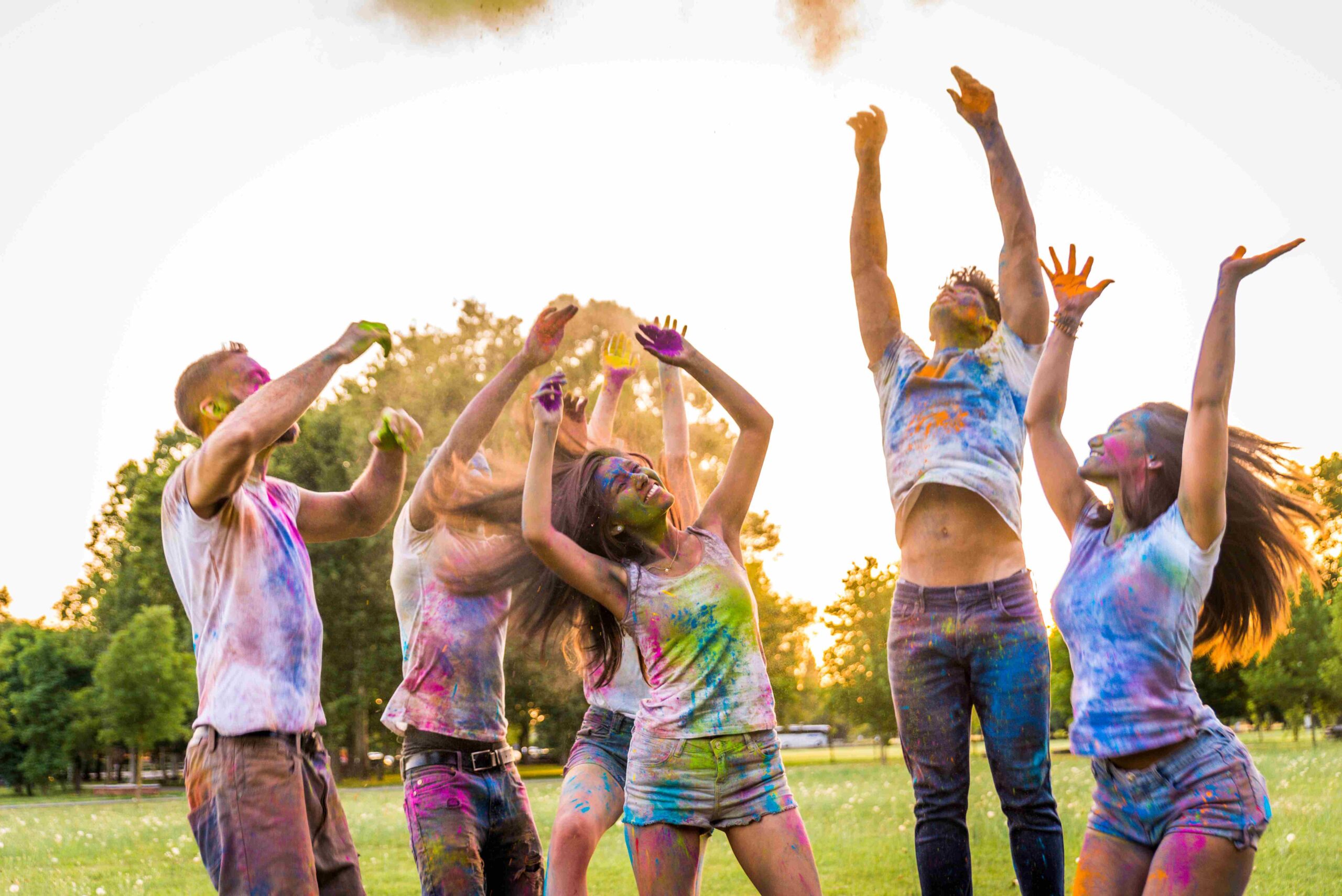 delightfully. The camera captures more than image. It announces presence.
Medals are distributed at the finish line, regardless of placement. They matter — not as symbols of performance, but as tokens of belonging. Children often wear them until afternoon naps, then rediscover them days later in backpacks.
A less visible form of participation comes through volunteering. Older children may distribute water, restock tables, or wave flags. Their roles shift the emphasis from being helped to helping. For some families, this hybrid engagement — part runner, part supporter — becomes annual routine.
Photo walls, name boards, and finishing arches anchor memory. Children remember where they stood, what they held, which way the light moved. These are spatial anchors, not narrative ones. And they last longer.
Summary Points for Family Participation:
- Prepare children gradually, emphasizing shared experience over performance
- Select gear with weather and unpredictability in mind
- Locate rest and play zones before the event begins
- Create personal rituals (cheers, roles, group photos)
- Recognize multiple forms of engagement: walking, cheering, volunteering
Family presence at the Community Rainbow Run shifts its tone. The event stops being linear. It expands sideways, into pauses, improvisations, and returns. What begins as a citywide run becomes a series of moments stitched not by time, but by attention.