Not everyone arrives in running shoes. At the Community Rainbow Run in Orlando, some show up in bright tracksuits, some with families in tow, others with strollers. The 4.9K course is more than a physical route. It’s a local event with rhythm and pattern, and preparing for it doesn’t demand athleticism, only intent. This guide outlines how to train, dress, and move toward race day across four weeks.
Building Stamina Week by Week
Preparation unfolds unevenly. The first week often feels deceptively simple: twenty minutes of walking, a few minutes of jogging, the sun low but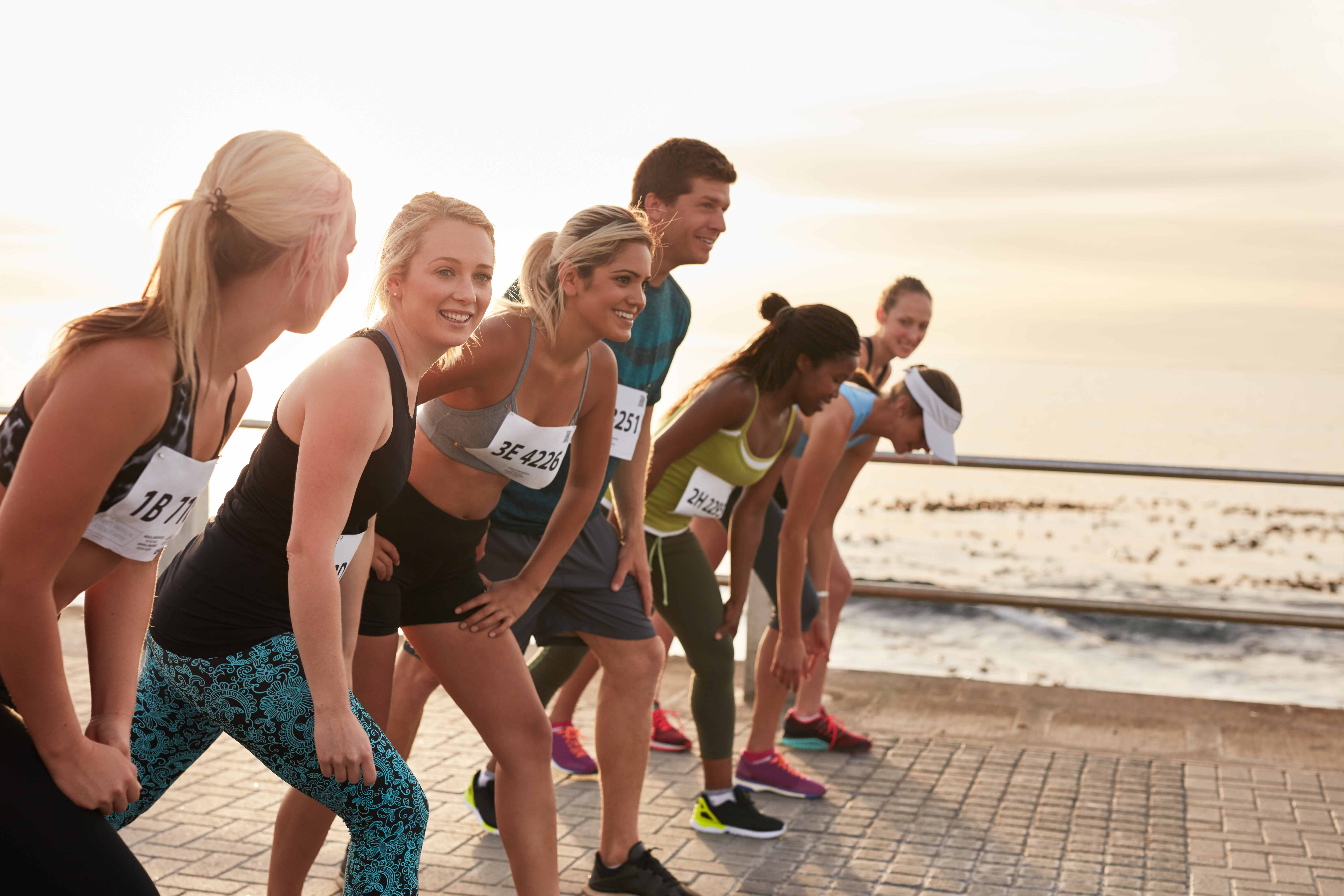 rising. What begins as a light stroll can shift, gradually, into something more structured.
Most beginner-friendly plans use progressive pacing. That means alternating between brisk walking and jogging, increasing intensity over time. By week two, walking decreases while jogging lengthens. Weather in Orlando adds texture to the process. Morning sessions may be humid. Shoes leave darker footprints on pavement. Adjust timing accordingly, earlier runs reduce sun exposure.
Week three introduces sustained movement. By this stage, the route feels familiar, even if the distance isn’t covered in full. In week four, simulate the full 5K. Not to race it, but to sense the pacing. The aim is movement with breath, not timing with a clock.
Choosing Apparel and Gear
Footwear isn’t neutral. Running shoes differ from walking shoes in structure and impact response. For a paved course like this, cushioned soles reduce strain on the knees. A visit to a local store, not a click online, allows for gait checks and fit adjustment.
Orlando’s seasonal climate calls for sweat-wicking shirts, sun visors, and layers that can be removed mid-run. That said, some participants wear costumes. Others arrive in matching family outfits. It’s not a contradiction — the Community Rainbow Run blends function with celebration.
Bright clothing, while symbolic, serves a practical role too. Volunteers and medics can identify runners quickly in large groups. A water-resistant pouch or belt helps carry essentials like keys, phone, or an energy chew. Don’t overdress, but don’t underthink it either.
Supporting the Body with Hydration and Food
Hydration begins before the start line. Drinking water only during the run is late. In the week leading up to the event, integrate consistent intake, small amounts across the day rather than large gulps. Electrolyte drinks may help, particularly during hot mornings.
Food intake, too, affects stamina. A small pre-run snack — banana, oat bar, or yogurt — prevents early fatigue. Avoid trying new foods the day of the event. The digestive system prefers routine. On the day itself, arrive early. Eat one hour prior, hydrate again fifteen minutes before. Walk. Stretch. Then wait.
On the course, water stations appear regularly. Use them even if you don’t feel thirst. Dehydration doesn’t announce itself in advance. A sign of good prep: you’re never desperate for a drink, but always ready for one.
Family Participation and Common Pitfalls
Children often copy more than they listen. If you plan to run with family, involve them early. Let them watch a morning jog. Let them choose their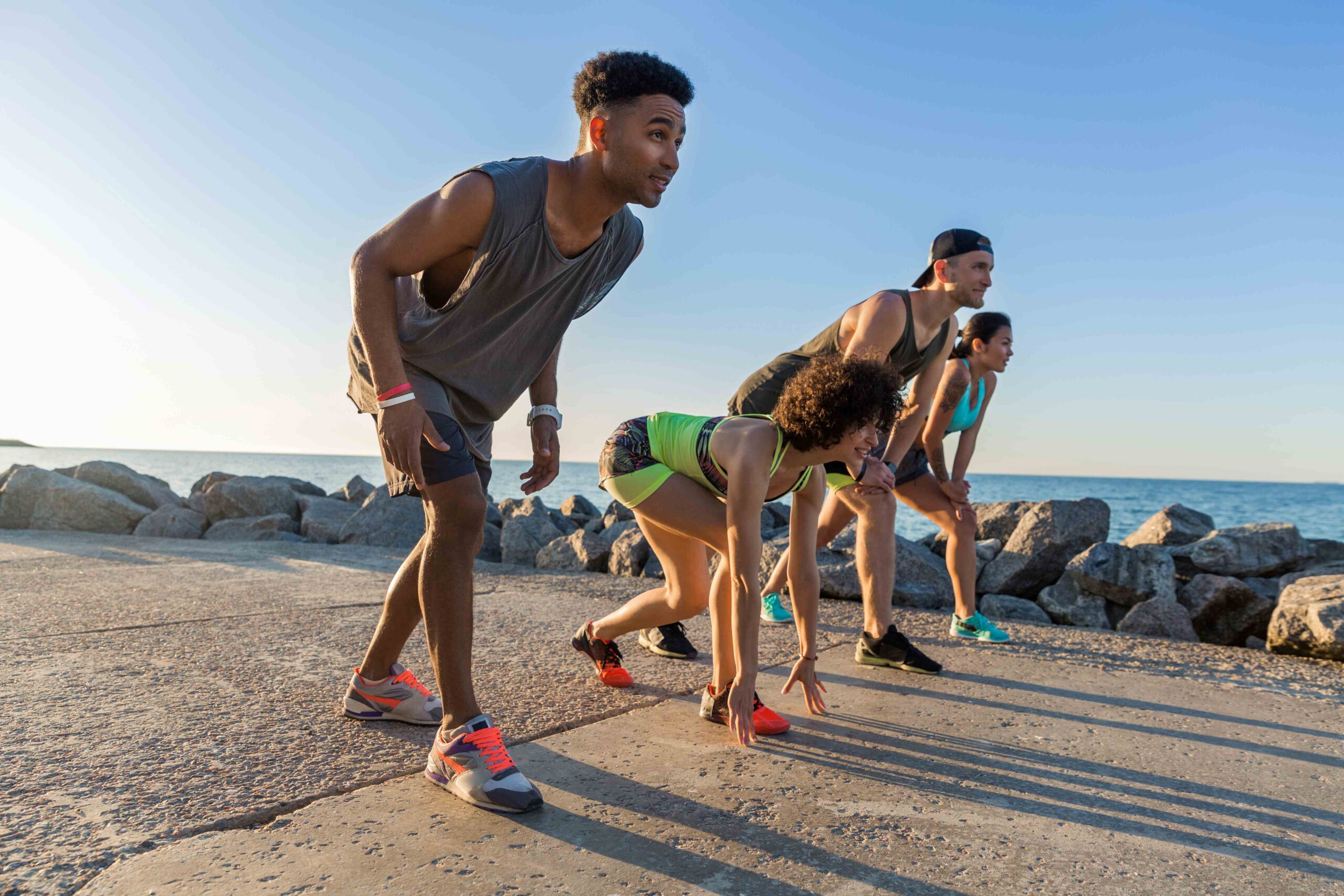 shoes. On the day of the run, bring what may seem unnecessary: snacks, wipes, a spare hat. Small discomforts escalate quickly for kids.
It’s common for new runners to start fast, pulled by adrenaline or by the crowd. That’s the most frequent mistake, and often the most tiring. Begin slower than you want to. Let the body adapt, not react.
Another overlooked factor is recovery. A run like this may feel short, but it uses muscles that walking does not. After the finish line, walk again. Sit only after cooling down. Stretch calves, hydrate, eat — even if slowly. Especially if it is slow.
Five Essentials for First-Time Participants
- Follow a four-week alternating walk-jog plan
- Test all clothing and shoes during training, not on race day
- Hydrate steadily, not reactively
- Prepare children with familiar routines and flexible gear
- Begin slower than expected, finish more comfortably than imagined