Urban runs rely not only on those crossing the finish line but also on those who stand quietly by the route. Volunteering at the Community Rainbow Run offers a way to participate without lacing up your running shoes. This article explains what volunteers do, how to prepare, and why their presence sustains the very structure of a city-wide event.
Why the Run Needs Volunteers – and Who They Are
The Community Rainbow Run is a large-scale operation. It unfolds over hours but is prepared for weeks. And none of it works without volunteers.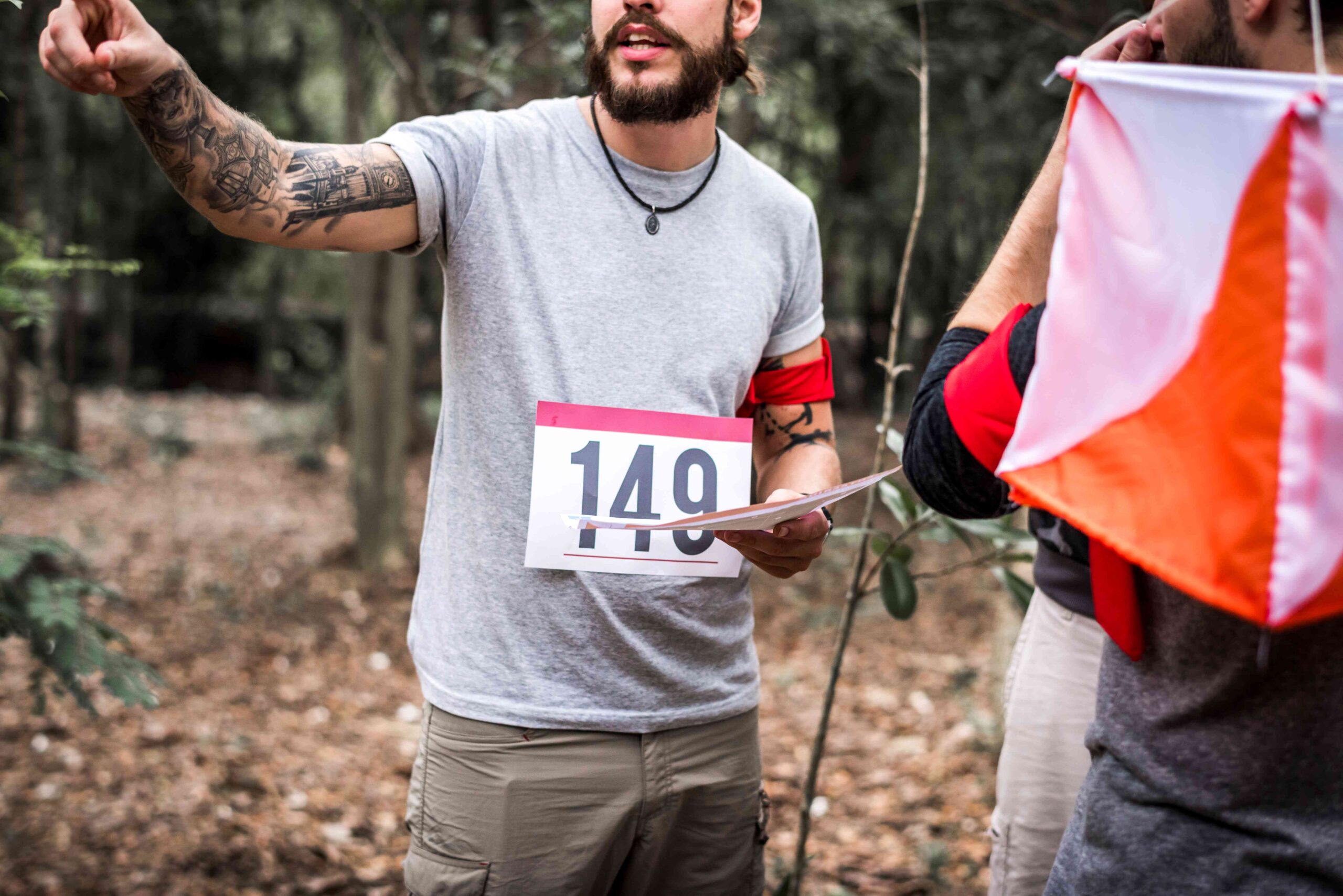 Their tasks aren’t loud, but they are essential.
Some begin at dawn. Others arrive just before the first participants check in. Most do not appear in photos. Yet without them, there would be no start line, no water breaks, no steady rhythm of coordination. Volunteers maintain order, yes. But more importantly, they stabilize momentum.
The demographics vary. Some are teenagers earning community service credit. Others are retirees who return each year. A few are event staff’s friends and family. But over time, that diversity builds familiarity. Local high schoolers stand beside city workers. A student guides an elderly spectator to the shade. There’s no uniform background. Only a shared presence.
Volunteer Roles at the Community Rainbow Run
Each role carries a different rhythm. Some tasks require constant motion; others demand observation.
Common roles include:
- Registration assistance at check-in tables
- Handing out water at hydration points
- Directional support at route intersections
- Staffing information booths
- Course monitoring for participant safety
Early hours are quieter. You might hear the scrape of a folding table on concrete, the hiss of coolers being filled. As start time nears, the tempo rises. Runners bunch at the gates. Instructions are repeated, then echoed. And the volunteers? They adjust their tone — louder, steadier. They don’t direct with authority. They pace the crowd.
Application Process and General Requirements
There is no formal barrier to entry. But there is structure. The application system is straightforward and usually opens about a month before the event.
Sequence typically includes:
- Filling out an online registration form
- Indicating role preference and availability
- Awaiting confirmation and assignment
- Attending a mandatory orientation or briefing session
That orientation matters. Not because of complexity, the roles are intuitive, but because it sets the tone. Volunteers are briefed not only on tasks but on the event’s ethos: calm presence, consistent engagement, flexible problem-solving.
Requirements are minimal. Most roles are physical but not strenuous. Volunteers must be at least 14 years old, able to follow instructions, and arrive on time. Many come with no prior experience. That doesn’t diminish their function. If anything, it strengthens it.
Equipment and On-Site Preparation: From T-Shirts to Briefings
Volunteers are recognizable. Usually by shirt color, sometimes by lanyard. That visibility is deliberate, it creates structure for the runners and for each other.
Arrivals begin early. Around 6:30 AM, small groups cluster by the stage. A volunteer coordinator hands out shirts, then clipboards. Some are surprised by how little they’re told. Others understand immediately: part of the role is adaptive.
Training isn’t elaborate. One hour before the run, final instructions are given, where to stand, what to watch for, who to contact if anything shifts. But even before that, observation begins. Volunteers note where water bottles gather condensation. They place bins in shade. They kneel to tighten tape against a gust of wind.
It’s not about perfection. It’s about adjusting quickly, reading context, sensing when attention is needed and when stillness is enough.
Volunteering at the Community Rainbow Run does more than support logistics. It shapes the pace of participation, reorders the flow of movement, and reminds the city how much depends on those who choose to stand still while others run.